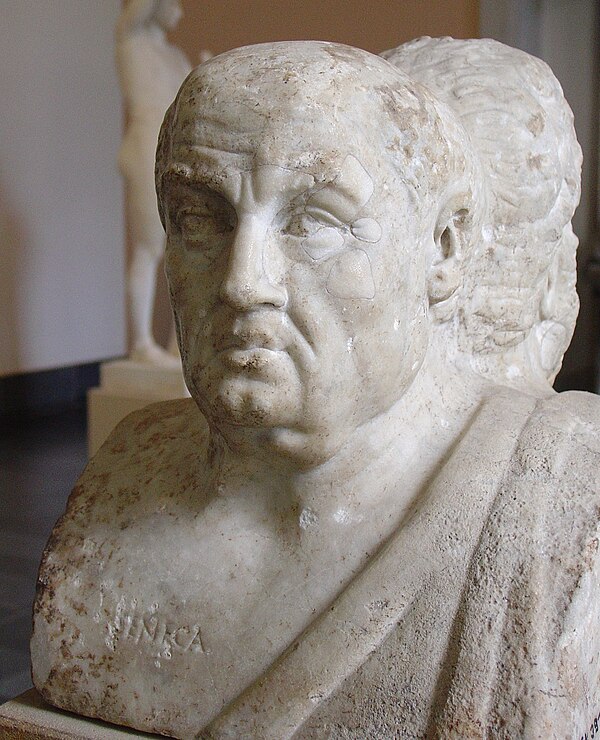
The Freedom Within Constraints
Seneca's assertion that "to live under constraint is a misfortune; but there is no constraint to live under constraint" invites us to reflect on the nature of freedom and choice in our lives. At first glance, it seems to lament the limitations we often face, yet it simultaneously reveals a profound truth: our perception of constraint is often self-imposed. This distinction is crucial, as it suggests that while external circumstances may bind us, our internal landscape remains a realm of choice and agency. Understanding this dynamic can illuminate paths to greater freedom, even amidst life's inevitable challenges.
In a world that frequently emphasizes external achievements and societal expectations, Seneca's words serve as a poignant reminder of the power of our inner dialogue. The Stoic philosophy teaches us that while we cannot control external events, we can control our responses to them. This perspective encourages us to examine how we perceive our constraints and to recognize that the true misfortune lies not in the constraints themselves, but in our failure to acknowledge our freedom to choose how we respond to them. By embracing this understanding, we can cultivate resilience and a deeper sense of autonomy.
The image / the metaphor
Seneca's quote employs vivid imagery that contrasts the experience of living under constraint with the notion of freedom from that constraint. The term "misfortune" evokes a sense of suffering, suggesting that constraints can weigh heavily on the human spirit. However, the phrase "there is no constraint to live under constraint" introduces a paradox that invites deeper contemplation. It implies that the limitations we perceive may not be as rigid as they seem; rather, they are often shaped by our own beliefs and attitudes. This duality creates a felt sense of tension between external realities and internal perceptions, urging us to explore the boundaries of our own minds.
Diving deeper into the metaphor, we can see that constraints are not merely physical or situational; they can also be psychological and emotional. The idea that we can choose how to engage with our constraints opens up a realm of possibilities. It suggests that while we may be confined by circumstances, our thoughts and attitudes can remain unbound. This perspective aligns with the Stoic practice of reframing challenges as opportunities for growth, transforming our relationship with the constraints we face into a source of empowerment rather than despair.
In the speaker's tradition
Seneca's insights are deeply rooted in Stoic philosophy, which emphasizes the importance of virtue, rationality, and the acceptance of what we cannot control. Central to Stoicism is the concept of "apatheia," or the ability to remain unperturbed by external events. This aligns with the idea of living freely within constraints, as it encourages individuals to cultivate an inner state of tranquility regardless of external circumstances. In this way, Stoicism invites us to recognize that true freedom lies not in the absence of constraints but in our ability to navigate them with wisdom and grace.
Moreover, Seneca's thoughts resonate with the Buddhist concept of "sunyata," or emptiness, which teaches that our perceptions of reality are often clouded by attachment and aversion. Just as Stoicism encourages us to detach from the outcomes of our actions, Buddhism invites us to see the fluidity of existence and the impermanence of our constraints. In both traditions, the emphasis is placed on cultivating an inner freedom that transcends external limitations, allowing us to engage with life more fully and authentically.
Living the teaching
Consider a modern scenario where an individual feels trapped in a demanding job that offers little satisfaction. The constraints of financial obligations and societal expectations weigh heavily on them, leading to feelings of frustration and helplessness. However, by reflecting on Seneca's teaching, this person can begin to recognize that while they may be bound by their current situation, they still possess the freedom to choose how to respond. They might explore options for personal growth, such as seeking new skills, networking, or even contemplating a career shift, thereby transforming their perception of constraint into a catalyst for change.
In the context of relationships, Seneca's wisdom can also be applied. Imagine a partnership where one feels constrained by the expectations of the other. This sense of limitation can lead to resentment and conflict. However, by embracing the idea that "there is no constraint to live under constraint," individuals can choose to communicate openly about their needs and desires. This choice to engage in honest dialogue can foster a deeper understanding and connection, ultimately transforming the relationship from one of constraint to one of mutual respect and freedom.
A reflection
As we contemplate Seneca's profound insight, we are invited to ask ourselves: In what areas of my life do I perceive constraints, and how might I be limiting my own sense of freedom? This question encourages introspection and invites us to explore the narratives we hold about our circumstances. By recognizing the power of choice inherent in our responses, we can begin to shift our perspective and embrace a more liberated existence, even amidst the constraints that life presents.