The Hidden Joys of Aging: A Stoic Perspective
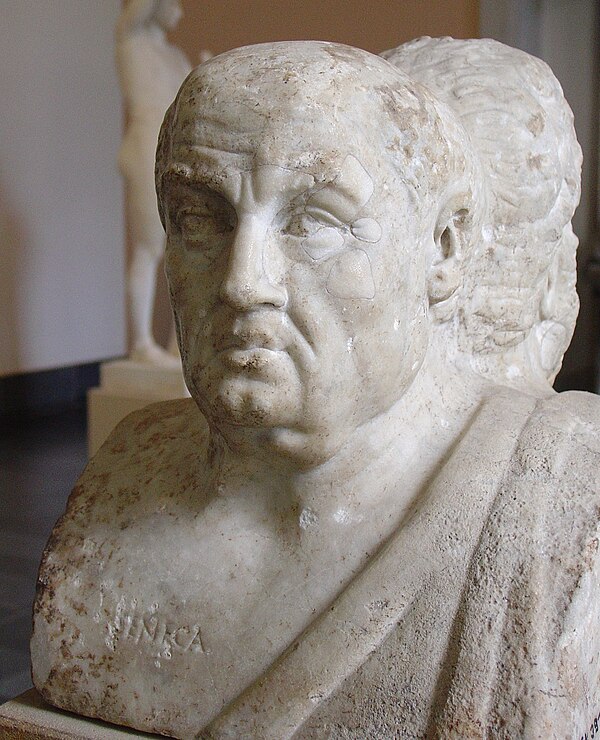
In his poignant reflection, Seneca invites us to embrace the later stages of life with affection and appreciation, suggesting that old age can be a source of profound pleasure if approached with the right mindset. This assertion challenges the prevalent societal narrative that often equates aging with decline and loss. By urging us to "cherish and love old age," Seneca highlights the potential for wisdom and joy that can flourish in our later years, emphasizing the importance of perspective in shaping our experiences.
As we navigate the complexities of life, the notion of aging often evokes a mix of fear and resignation. Yet, Seneca's words serve as a gentle reminder that the latter chapters of our existence can be rich with meaning and fulfillment. This perspective is not merely a philosophical abstraction; it is a call to cultivate a deeper understanding of the pleasures that accompany aging, inviting us to explore how we can harness our experiences and insights to enrich our lives and the lives of those around us.
The image / the metaphor
Seneca's quote conjures a vivid image of old age as a treasure trove of experiences waiting to be appreciated. The verbs "cherish" and "love" evoke a sense of active engagement, suggesting that the pleasures of aging are not passively received but actively cultivated. This imagery invites us to envision old age not as a burden but as a phase of life filled with opportunities for joy, reflection, and connection. The phrase "if one knows how to use it" implies that the key to unlocking this pleasure lies in our approach and attitude toward aging.
Diving deeper into the metaphor, we can see that Seneca is not merely advocating for a positive outlook; he is inviting us to engage with the complexities of our lives as we grow older. The idea of "using" old age suggests a dynamic process of adaptation and learning, where we can draw upon our accumulated wisdom to navigate the challenges that arise. This perspective transforms aging into an active journey, where each moment can be infused with meaning and pleasure, provided we are willing to embrace it fully.
In the speaker's tradition
Seneca's thoughts on aging resonate deeply within the Stoic tradition, which emphasizes the cultivation of virtue, wisdom, and inner peace. Central to Stoicism is the concept of *apatheia*, or the ability to maintain equanimity in the face of life's inevitable changes. This aligns with Seneca's assertion that old age can be pleasurable if we learn to navigate it with grace and understanding. The Stoic practice of *premeditatio malorum*, or the premeditation of evils, encourages us to prepare for the challenges of aging, allowing us to approach this phase of life with a sense of readiness and acceptance.
Moreover, Seneca's reflections can be compared to the Buddhist concept of *sunyata*, or emptiness, which teaches that our perceptions shape our experiences. Just as Stoicism encourages us to find joy in virtue and wisdom, Buddhism invites us to recognize the transient nature of life and the potential for liberation in acceptance. In both traditions, the emphasis is on cultivating a mindset that allows us to embrace the fullness of life, regardless of age or circumstance, ultimately leading to a deeper appreciation of our existence.
Living the teaching
Consider a modern scenario where an individual grapples with the onset of retirement. This transition, often viewed with trepidation, can also be seen as an opportunity for exploration and growth. By embracing Seneca's teaching, this person might choose to engage in new hobbies, volunteer work, or even mentorship, finding joy in the freedom that comes with having more time. In this way, the later years can become a canvas for creativity and connection, allowing for a rich tapestry of experiences that celebrate the pleasures of aging.
In the context of relationships, Seneca's wisdom can also be applied to how we interact with our aging loved ones. Instead of viewing their decline as a source of sadness, we can choose to cherish the moments spent together, learning from their stories and wisdom. This shift in perspective not only enhances our relationships but also fosters a deeper appreciation for the shared journey of life, reminding us that every stage has its unique gifts and lessons to offer.
A reflection
As we contemplate Seneca's invitation to cherish old age, we are called to reflect on our own attitudes toward aging. Are we open to the pleasures and wisdom that come with the passage of time, or do we cling to societal fears and misconceptions? In this spirit, consider this contemplative question: How can you actively cultivate joy and meaning in your own life as you age, and what steps can you take to embrace the richness of your experiences?