The Healing Desire: Embracing the Path to Wholeness
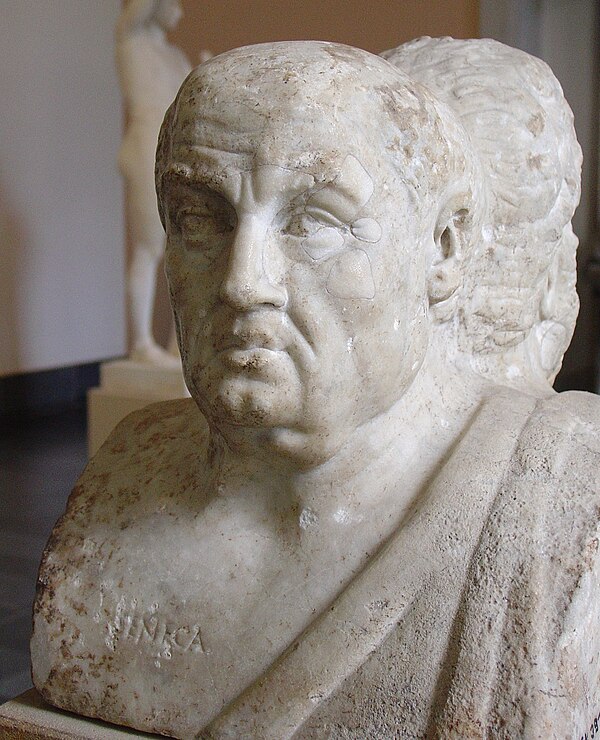
Seneca's assertion, "It is part of the cure to wish to be cured," encapsulates a profound truth about the human condition and the journey toward healing. At its core, this statement suggests that the desire for healing is not merely a passive wish but an active component of the healing process itself. In a world often marked by suffering and discontent, recognizing this desire as a vital step can illuminate our path toward recovery and wholeness.
This quote invites us to reflect on the nature of our struggles and the role of intention in overcoming them. Healing, whether physical, emotional, or spiritual, requires more than just the absence of pain; it demands a conscious willingness to engage with our suffering. By acknowledging our desire to be cured, we align ourselves with the transformative power of hope and agency, setting the stage for genuine change in our lives.
The image / the metaphor
In Seneca's words, the imagery of "wishing to be cured" evokes a sense of longing and aspiration. The verb "wish" implies an active yearning, a deep-seated desire that transcends mere acknowledgment of suffering. This desire is not a passive wish upon a star; it is a call to action, an invitation to engage with our pain and seek the remedies that can lead us toward healing.
Diving deeper into the metaphor, we can see that wishing to be cured is akin to planting a seed of intention in the fertile soil of our consciousness. Just as a seed requires nurturing, sunlight, and water to grow, our desire for healing necessitates commitment, patience, and practice. This metaphor highlights the interconnectedness of desire and action, suggesting that the journey toward healing begins with the recognition of our own agency and the willingness to pursue it.
In the speaker's tradition
Seneca's insights are deeply rooted in the Stoic tradition, which emphasizes the importance of virtue, rationality, and the acceptance of what lies beyond our control. The concept of "dharma" in Eastern philosophies resonates with this idea, as it underscores the significance of aligning one's actions with a greater purpose. In both traditions, the desire for healing is not merely a personal endeavor but a commitment to living in accordance with one's true nature and values.
In his "Letters," Seneca often reflects on the nature of suffering and the human capacity for resilience. For instance, in Letter 27, he discusses the importance of confronting our challenges with courage and wisdom. This aligns with the Stoic practice of "kenosis," or self-emptying, where one relinquishes attachments to outcomes and embraces the process of healing itself. By cultivating a desire for healing, we engage in a transformative practice that echoes throughout the Stoic texts.
Living the teaching
Consider a modern scenario where an individual grapples with chronic anxiety. The desire to be cured may manifest as a longing for relief from the constant weight of worry. However, this desire can also serve as a catalyst for seeking therapeutic support, engaging in mindfulness practices, or exploring the root causes of anxiety. By acknowledging the wish to be cured, the individual empowers themselves to take actionable steps toward healing, transforming their suffering into a journey of self-discovery.
In the context of relationships, the desire for healing can emerge during conflicts or misunderstandings. When two partners face a rift, the willingness to be cured—both individually and collectively—can pave the way for reconciliation. This desire may lead to open communication, vulnerability, and a shared commitment to understanding one another. In this way, the wish to heal becomes a bridge that connects two hearts, fostering growth and deeper intimacy.
A reflection
As we contemplate Seneca's wisdom, we are invited to explore our own desires for healing. What does it mean for you to wish to be cured? In what areas of your life do you feel the need for transformation, and how can you actively engage with that desire? Reflecting on these questions can illuminate the path toward healing, reminding us that the journey begins with a simple yet profound wish.