Facing the Tribunal of the Soul
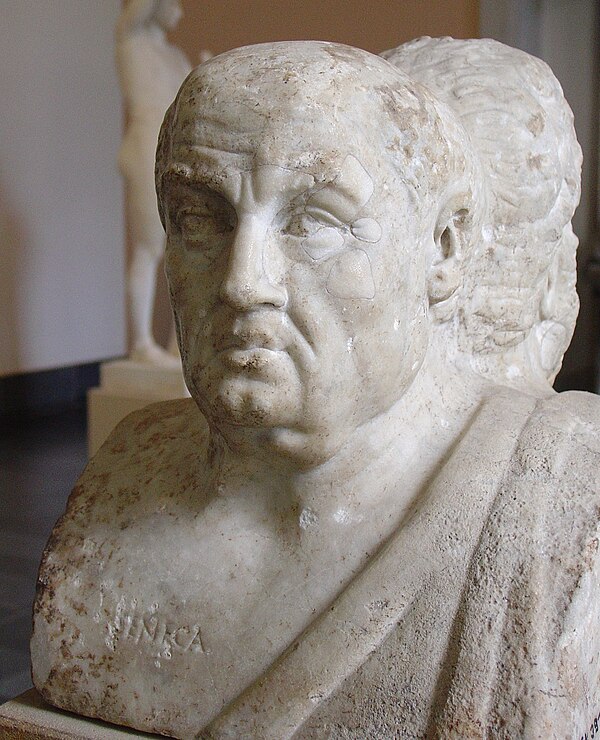
Seneca invites us to engage in a nightly ritual of self-examination, urging us to recall the day’s actions and present them before the tribunal of our own conscience. This practice of reflection is not merely an exercise in memory but a profound act of accountability to oneself. In a world that often encourages distraction and superficiality, this call to introspection serves as a reminder of the importance of self-awareness and moral integrity.
To stand before the soul's tribunal is to confront the essence of our being, to sift through the choices we made and the intentions behind them. This process is essential for personal growth and ethical living, as it allows us to align our actions with our values. By reflecting on our daily conduct, we cultivate a deeper understanding of ourselves and our place in the world, fostering a sense of responsibility that extends beyond mere compliance with societal norms.
The image / the metaphor
Seneca’s metaphor of the “soul’s tribunal” evokes a vivid image of an inner court where our actions are judged not by external authorities but by our own moral compass. The use of the word “recall” suggests an active engagement with our memories, as if we are summoned to present evidence of our conduct. This imagery emphasizes the weight of our choices and the necessity of facing them with honesty and courage.
Delving deeper, the tribunal symbolizes the inner dialogue we must cultivate to navigate our ethical landscape. It is a space where we can confront our shortcomings and celebrate our virtues, allowing for a holistic view of our character. This metaphor serves as a powerful reminder that our greatest accountability lies within ourselves, and that true wisdom arises from the willingness to scrutinize our actions with clarity and compassion.
In the speaker's tradition
Seneca’s teachings are firmly rooted in Stoicism, a philosophy that emphasizes rationality, virtue, and the importance of living in accordance with nature. The concept of “dharma” in Eastern traditions resonates with this idea, as it too calls for individuals to align their actions with their true nature and ethical principles. Just as the Stoics believed in the cultivation of virtue through self-examination, many spiritual traditions advocate for a similar introspective practice to foster moral integrity.
In his work “Letters to Lucilius,” Seneca often reflects on the importance of self-awareness and the necessity of examining one’s life. He writes, “A good character, like a good tree, is known by its fruits.” This connection between self-reflection and ethical living underscores the Stoic belief that our actions define us, and that by regularly assessing our conduct, we can cultivate a life of virtue and purpose.
Living the teaching
Consider a modern scenario where this teaching can be applied: at the end of a long day, one might find themselves reflecting on interactions with colleagues. Perhaps a conversation did not go as intended, leading to feelings of regret or frustration. By recalling the day’s actions and examining the motivations behind them, one can gain insights into their own behavior, recognizing patterns that may need adjustment. This practice not only fosters personal growth but also enhances relationships by encouraging more mindful interactions in the future.
In a different context, imagine a challenging moment in a close relationship where misunderstandings have arisen. By taking time to reflect on one’s own contributions to the conflict, an individual can approach the situation with greater empathy and clarity. This act of self-examination allows for a more constructive dialogue, paving the way for healing and deeper connection. In both scenarios, the tribunal of the soul serves as a guiding force, illuminating the path toward greater self-awareness and relational harmony.
A reflection
As we contemplate Seneca’s call to recall our actions before the tribunal of the soul, we are invited to consider the nature of our own reflections. What truths emerge when we hold our daily choices up to scrutiny? In what ways can this practice of self-examination lead us to a more authentic and virtuous life? Allow these questions to linger in your mind, guiding you toward a deeper understanding of yourself and your journey.




Join the BrightStar Community
Stay connected with daily inspiration, event announcements, and community wisdom