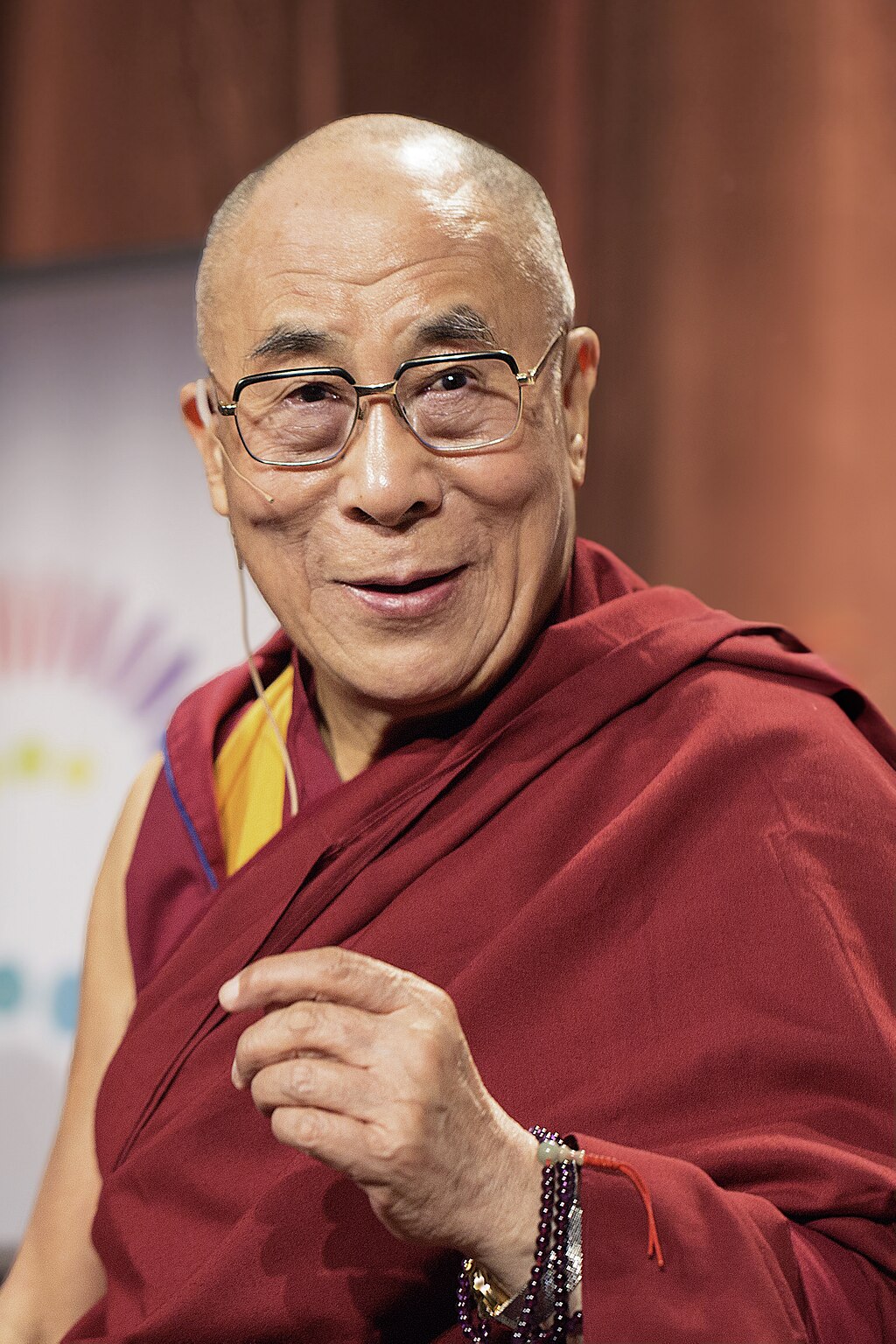
The Heart of Humanity: Embracing Compassion Beyond Boundaries
In the words of the Dalai Lama, "Compassion is not religious business, it is human business." This profound statement invites us to reconsider the essence of compassion, urging us to recognize it as a fundamental aspect of our shared humanity rather than a mere tenet of religious doctrine. In a world often divided by belief systems, this perspective is crucial; it emphasizes that compassion transcends cultural and spiritual boundaries, calling us to unite in our common experience of being human. The stakes are high: without compassion, we risk deepening the divides that separate us, while embracing it can lead to a more harmonious existence.
Delving deeper, we find that the Dalai Lama's assertion challenges us to reflect on the nature of compassion itself. It is not confined to acts of charity or kindness that are often associated with religious practices; rather, it is an intrinsic quality that resides within each of us. This understanding compels us to cultivate compassion as a daily practice, recognizing its power to heal not only ourselves but also the communities we inhabit. In this light, compassion becomes a universal language, one that speaks to the heart of our shared human experience and fosters a sense of unity amidst diversity.
The image / the metaphor
The imagery within the quote evokes a sense of immediacy and urgency. By framing compassion as "human business," the Dalai Lama emphasizes its practical and essential nature, suggesting that it is a responsibility we all share. The choice of the word "business" implies an active engagement, a call to action that requires our attention and commitment. This metaphor invites us to view compassion not as a passive sentiment but as a dynamic force that can transform our interactions and relationships.
Going deeper, the metaphor of "business" also suggests that compassion requires effort and intention, much like any meaningful endeavor. It is not enough to simply feel compassion; we must actively practice it in our daily lives. This understanding encourages us to cultivate a mindset that prioritizes empathy and understanding, recognizing that our actions can ripple outwards, influencing the world around us. In this way, compassion becomes a vital thread that weaves together the fabric of our shared existence, reminding us that we are all interconnected.
In the speaker's tradition
Within the context of Tibetan Buddhism, the Dalai Lama's perspective on compassion aligns closely with the concept of "karuna," which refers to the deep empathy and concern for the suffering of others. This idea is intricately linked to the notion of "bodhicitta," the aspiration to attain enlightenment for the sake of all sentient beings. By framing compassion as a universal human endeavor, the Dalai Lama invites us to engage with these profound teachings, encouraging us to cultivate a compassionate heart as a means of alleviating suffering in the world.
Moreover, the teachings of the "Heart Sutra" resonate deeply with this sentiment, as they emphasize the interconnectedness of all beings and the importance of transcending the illusion of separateness. The sutra's core message, that form is emptiness and emptiness is form, invites us to recognize that our individual experiences are part of a larger tapestry of existence. In this light, compassion becomes not just an act of kindness but a recognition of our shared humanity, urging us to act with love and understanding in all our interactions.
Living the teaching
Consider a modern scenario where this teaching can take root: imagine a workplace where colleagues often find themselves in conflict due to differing opinions and stressors. By embracing the Dalai Lama's message, individuals can choose to approach these situations with compassion, seeking to understand the underlying emotions and motivations of their peers. This shift in perspective can transform the workplace environment, fostering collaboration and mutual respect, ultimately leading to a more harmonious and productive atmosphere.
In a more personal context, think about a challenging relationship with a family member or friend. By applying the principle of compassion, one might approach difficult conversations with an open heart, striving to listen deeply and respond with empathy rather than defensiveness. This practice not only nurtures the relationship but also cultivates a sense of inner peace, as we learn to navigate conflicts with love and understanding. In both scenarios, the essence of compassion becomes a guiding force, illuminating the path toward deeper connections and a more fulfilling life.
A reflection
As we reflect on the Dalai Lama's assertion that "compassion is not religious business, it is human business," we are invited to consider our own relationship with compassion. How can we actively cultivate this quality in our lives, transcending the boundaries that often divide us? In what ways can we embody compassion in our daily interactions, fostering a sense of unity and understanding in our communities? These contemplative questions serve as a gentle reminder that the practice of compassion is not merely an ideal but a vital aspect of our shared humanity.






Join the BrightStar Community
Stay connected with daily inspiration, event announcements, and community wisdom