This hour-long sound healing meditation centers on two integrated mantric themes: "In the Light of Love we are whole, in the light of love we are home, in the light of love we heal and sing, thy will be done in the light of love" and "Om Shree Dhanvantre Namaha," an invocation to the celestial healer in Hindu tradition. The piece uses vocal repetition, harmonic layering, and sustained tones to create a sonic container for physical and emotional healing, grounded in the belief that sound vibration itself—separate from intellectual understanding—can catalyze transformation.
What Is Sound Healing and How Does It Work?
Sound healing is the practice of using vocal tone, mantras, and vibrational frequencies to support physical, emotional, and spiritual well-being. Unlike talk-based therapy or intellectual study, sound healing operates primarily through direct resonance: the idea that specific vibrations can entrain the body's own vibrational frequency and support healing at a cellular level. In this recording, the mantras are not presented as concepts to understand but as living frequencies to receive.
The mechanism proposed by sound healing traditions is that the body is not separate from sound but is sound—composed of vibrating atoms and organized by rhythm and frequency. When a trained voice produces sustained, intentional tones, listeners experience what researchers call the "relaxation response": reduced heart rate, lower cortisol, and increased coherence in the nervous system. The repetition of mantric phrases deepens this effect by creating a meditative state in which the analytical mind quiets and the body's own healing wisdom can surface.
Who Is Om Shree Dhanvantre and Why This Mantra?
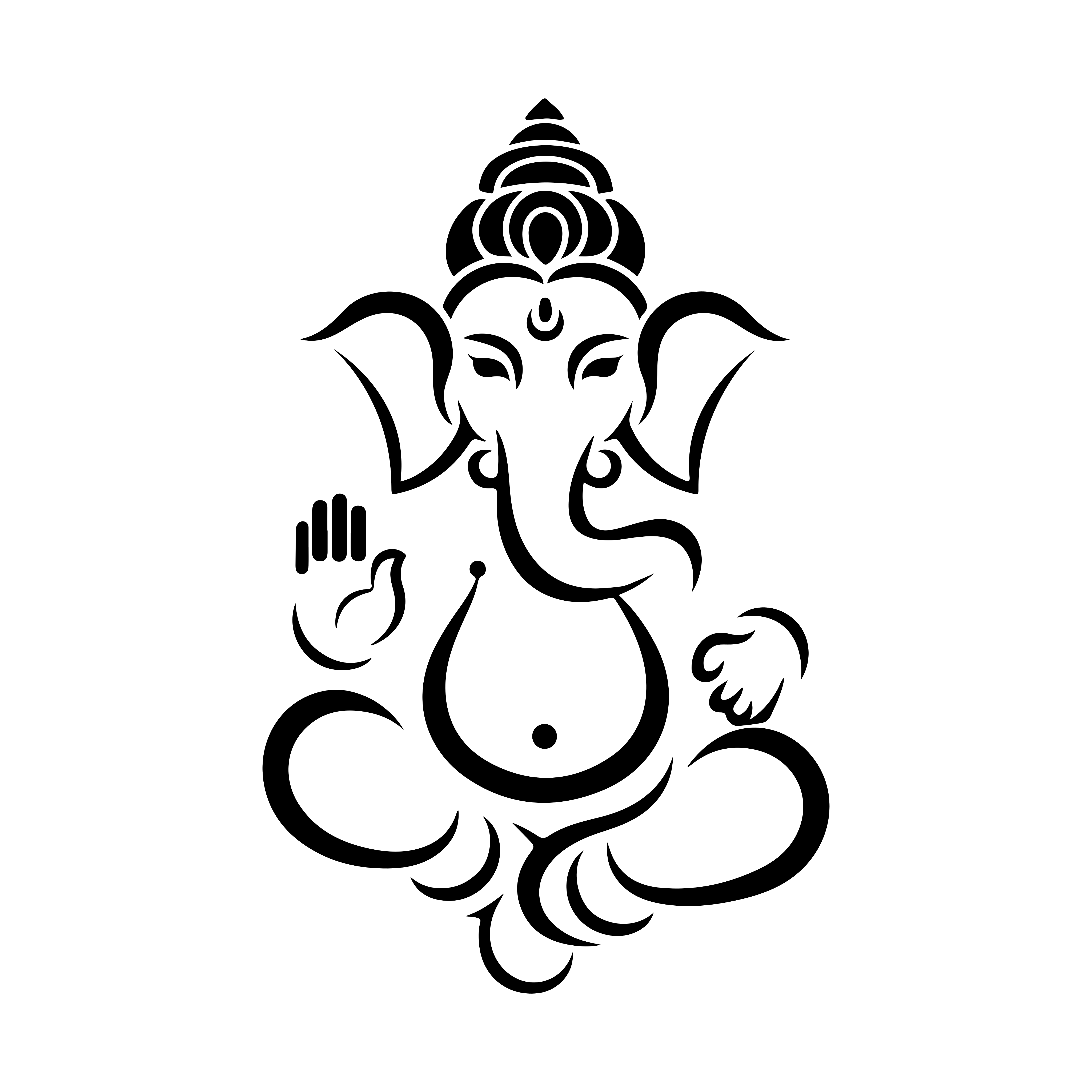
Dhanvantre is known in Hindu and Ayurvedic tradition as the celestial healer, the physician of the gods, and the embodiment of divine medicine. The mantra "Om Shree Dhanvantre Namaha" translates as "Om and Salutations to the Celestial Healer"—a direct invocation of healing presence. In classical Hindu cosmology, Dhanvantre is depicted as emerging from the cosmic ocean during the churning of the milky way, carrying nectar and healing substances. Calling on Dhanvantre through mantra is a way of aligning personal healing intention with an archetypal healing force understood to exist beyond individual will.
What makes this mantra particularly relevant in contemporary practice is its nondenominational application. While rooted in Sanskrit and Hindu tradition, practitioners of any faith or philosophical background can engage with Dhanvantre as a symbol of healing wisdom, as one might work with the concept of divine compassion or natural intelligence. The mantra does not require belief in Hindu gods but rather invites the singer and listener into a relationship with healing as a tangible, accessible force.
How Does "In the Light of Love" Function as a Healing Frame?
The opening refrain—"In the light of love we are whole, in the light of love we are home, in the light of love we heal and sing, thy will be done in the light of love"—establishes what might be called a healing container. Each line makes a specific affirmation:
"We are whole" asserts completeness, counteracting the fragmentation or sense of brokenness that often accompanies physical or emotional pain.
"We are home" invokes belonging and safety—a nervous system state necessary for healing to occur.
"We heal and sing" links healing to expression and creativity, suggesting that healing is not passive but an active, embodied state.
"Thy will be done" releases personal control and aligns intention with what the tradition calls divine will or natural order—a surrender that paradoxically can deepen healing work.
By repeating these affirmations over an hour, with harmonic support and vocal layering, the meditation creates a psychological and somatic shift. The listener is not required to believe these statements intellectually but to bathe in them sonically, allowing the repeated frequency and emotional resonance of the words to reshape internal narrative and nervous system state.
What Role Does Vocal Technique Play in This Healing Work?
Deva Premal's vocal performance is notable for its precision and restraint. Rather than dramatic vocal virtuosity, the singing emphasizes clarity of tone, sustained breath, and precise intonation. These technical choices serve a specific purpose in healing work:
Clarity of tone allows the mantra to penetrate and not be masked by vocal ego or ornamentation. The listener can hear both the word and the frequency with equal clarity.
Sustained breath extends vowel sounds and creates harmonic space. Long tones allow overtones—natural harmonics produced by the voice—to emerge and create a rich, multidimensional sonic field.
Precise intonation ensures that the mantra lands on specific frequencies associated with the tradition and with the body's own resonant frequencies, particularly in the lower registers where healing sound is believed to work most directly.
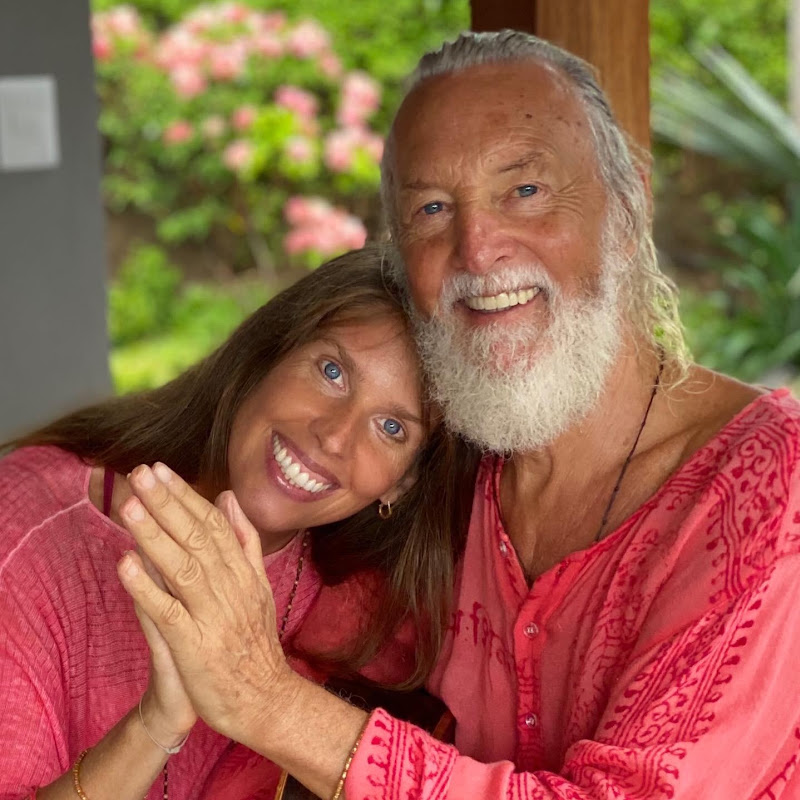
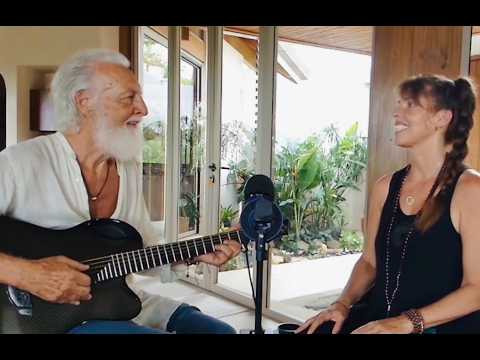
Additionally, Miten's role as co-creator and performer adds a grounding masculine complement to the feminine opening voice, creating a sense of wholeness and balance within the sonic space itself. The interplay of voices suggests that healing is not singular but relational—even within a solo meditation, there is dialogue and support.
How Does Mantra Repetition Support the Healing State?
The structure of this recording is built on mantra repetition—the same phrases repeated many times over the course of an hour. This is not redundancy but a deliberate technique used in meditation and healing traditions across cultures. Repetition serves several functions:
It quiets the thinking mind. After hearing a phrase many times, the analytical mind stops trying to parse meaning and simply allows the sound to wash over it. This creates space for the body and intuitive intelligence to take the lead.
It creates a trance state. Rhythmic, repeated sound naturally induces light trance or theta brain-wave states in which the nervous system is both deeply relaxed and receptive. This is the neurological state in which many healing processes are most active.
It embeds meaning at a subconscious level. Rather than consciously learning that "we are whole," the repeated mantra inscribes this knowing directly into the nervous system and cellular memory through repetition and resonance.
It creates coherence across the group. When multiple people listen to the same mantra, they begin to entrain—their heartbeats, breathing, and neural rhythms align. Even in solitary listening, one is joining a larger field of intent created by all those who have sung and listened to this mantra across time.
What Does the Composition by Maniko Dru Dadigan Contribute?
The music itself—composed by Maniko Dru Dadigan and credited to Temple of Song—provides a harmonic and rhythmic foundation that allows the mantra to function at full power. Rather than a complex orchestral arrangement, the composition appears to use minimal instrumentation and harmonic support, allowing the mantra itself to be the primary sonic object. This restraint ensures that the listener's attention remains on the healing intention of the words and the resonance of the voice, not on musical entertainment or complexity.
The composition likely includes drones or extended harmonic beds that support the mantra tones and create the acoustic environment in which overtones can emerge. In traditional Indian music and in contemporary sound healing, the drone is understood not as background but as the fundamental ground on which all other sound rests—a metaphor for the unchanging consciousness or love beneath all phenomena.
What Physical and Emotional Changes Might Listeners Experience?
During and after an hour-long sound healing meditation, listeners often report:
Nervous system regulation: Lower anxiety, reduced muscle tension, slower heart rate, and deeper breathing patterns.
Emotional release: Tears, spontaneous expression of grief or joy, or a sense of emotional blockage dissolving.
Pain reduction: Temporary or lasting relief from chronic pain, particularly in the head, neck, shoulders, and heart area.
Sense of wholeness: A felt experience of being more integrated, less fragmented, and more at home in one's own body.
Expanded awareness: A sense of moving beyond personal identity and merging with something larger—what might be called love, presence, or the divine.
These experiences are not guaranteed or uniform, as healing is highly individual. However, the consistency with which practitioners report such experiences across cultures and centuries suggests that sound healing taps into genuine physiological and psychological processes.
How Is This Practice Rooted in Ayurvedic and Yogic Traditions?
Both the mantra "Om Shree Dhanvantre Namaha" and the practice of sound healing derive from ancient Ayurvedic and yogic systems. In Ayurveda, the oldest medical system in continuous use, healing is understood to work through the five elements and their associated frequencies and colors. Sound is one of the primary tools, particularly in the form of mantra. Similarly, in yoga philosophy, the idea of nada yoga (yoga of sound) teaches that all of existence is sound vibration—that the universe itself is continuously singing, and human healing involves re-attunement to that cosmic song.
The invocation of Dhanvantre is part of this ancient lineage. Before modern medicine, the Ayurvedic system included detailed knowledge of how different sounds, tones, and mantras could support specific healing processes. By singing "Om Shree Dhanvantre Namaha," contemporary practitioners are connecting to this vast body of accumulated wisdom and practice.
Where to Go From Here
If you are drawn to sound healing as a support for physical or emotional well-being, consider:
Listen regularly: Sound healing benefits from repeated exposure. Listening to this meditation once per week, or even multiple times per week, allows the effects to accumulate and deepen.
Combine with other practices: Sound healing works synergistically with breathwork, yoga, therapeutic touch, conventional medical care, and psychological work. Use it as part of an integrated approach to wellness, not as a replacement for medical care when needed.
Explore other Deva Premal & Miten recordings: The artists have a catalog of mantra-based sound healing work available on Spotify and through the Gayatri Sangha App, allowing you to explore different mantras and healing intentions.
Study the Sanskrit tradition: Deepening your understanding of what Dhanvantre represents, and what the mantra literally means, can enhance the practice even as you remain open to the direct vibrational experience.
Work with a practitioner: If you are dealing with significant physical or emotional trauma, working one-on-one with a sound healer or other trained practitioner can offer more targeted support than solo listening.
Sell tickets to your concerts and workshops with zero platform fees on Seva — and a free artist profile beside the names in these pages. Keep every dollar you earn.
Mantra repetition quiets the analytical mind and induces a light trance state in which the nervous system is deeply relaxed and receptive. Repeated sound creates neurological coherence and embeds healing affirmations directly into the nervous system and cellular memory, bypassing conscious resistance.
The mantra translates to "Om and Salutations to the Celestial Healer." Dhanvantre is the deity of healing in Hindu and Ayurvedic tradition. Singing this mantra invokes an archetypal healing presence and aligns personal healing intention with a universal healing force, making it applicable across spiritual backgrounds.
Sound healing works best as part of an integrated approach to wellness alongside conventional medical care, therapy, and other practices. While it can support nervous system regulation and pain reduction, it should not replace medical care for serious health conditions.
Sound healing operates through measurable physiological mechanisms: vocal vibration entrains the nervous system, reduces cortisol and heart rate, and can stimulate the parasympathetic response. These are real bodily changes independent of belief, though the subjective experience and depth of healing can be enhanced by openness and intention.
Some people experience immediate relaxation and nervous system regulation during a single session. Deeper healing effects—pain reduction, emotional release, sustained shifts in well-being—typically develop with repeated practice over weeks and months.
A single session can induce relaxation and provide temporary relief. Regular listening allows the mantra to create lasting neurological and nervous system changes, embedding the healing affirmations more deeply and supporting cumulative healing over time.
No. Sound healing works through frequency and vibration, not through faith alone. You can benefit from the nervous system regulation and sonic healing without accepting any religious or philosophical belief system, though understanding the tradition can deepen the experience.