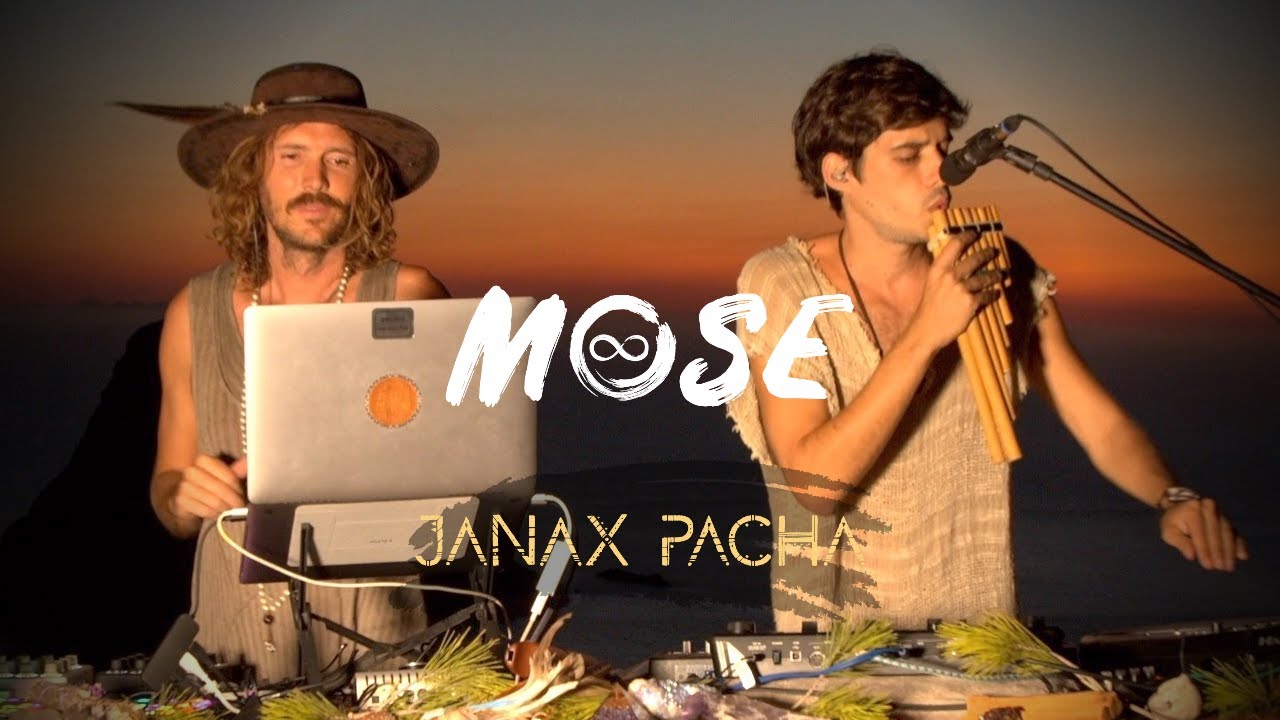
"Guacamayo (Mose Remix)" is an 8-minute audiovisual piece combining Danit's original vocals with Mose's electronic production and a visionary film by PLAGA, a Guatemalan creative studio. The track layers repetitive, meditative electronic elements with organic vocal textures, while the accompanying film creates a hypnotic visual narrative that resonates with the music's rhythmic pulse. The collaboration represents a contemporary approach to sacred or ceremonial electronic music, where production craft and cinematography merge to create an immersive sensory experience.
What Is the Guacamayo Mose Remix?
"Guacamayo (Mose Remix)" began as an original composition by Danit, an electronic musician based in the experimental music space. Mose, a producer and electronic artist, reimagined the track through an electronic lens, building hypnotic, minimalist arrangements that emphasize texture and rhythm over conventional melodic development. The result is a piece that sits somewhere between ambient music, techno, and world music traditions—a sonic space that rewards deep listening.
The track's title references the macaw, a bird significant in Mesoamerican indigenous cultures, positioning the work within a cultural geography. The remix does not anthologize the original so much as expand its emotional and sonic palette, introducing repetitive electronic elements that create a trance-like quality.
How Does the Production Create a Meditative State?
Mose's remix deploys electronic synthesis with restraint and intentionality. Rather than overwhelming the listener with density, the production layers elements gradually, allowing space and silence to remain part of the composition. This approach—building repetition and subtle variation over time—mirrors techniques found in minimalist composition and sacred music traditions across cultures.
The track's structure relies on cyclical, hypnotic patterns that invite the listener into a state of focused attention. Each production choice (filtering, panning, subtle effects processing) contributes to a cohesive sonic landscape. Danit's vocals remain recognizable but become integrated into the texture itself, functioning less as a traditional lead voice and more as another instrumental layer in the overall composition.
What Role Does the PLAGA Film Play?
The film, created by PLAGA studio (with credits including @acampollo and @alejandrocampollo), transforms the track from audio object to multimedia experience. PLAGA, based in Guatemala, specializes in visionary, narrative-driven cinematography that often bridges indigenous culture, contemporary art, and spiritual aesthetics.
The film's visual language appears designed to sync with the music's rhythmic and emotional contours, creating what practitioners call "synaesthetic" experience—where visual and sonic information reinforce one another. In the 8-minute piece, the film provides narrative coherence and emotional anchor points, preventing the hypnotic music from feeling abstract or detached.
This collaboration exemplifies a growing practice among contemporary electronic and world-music producers: the creation of audio-visual works as unified artistic statements, where neither medium dominates but instead creates meaning through their interplay.
Where Does This Fit in Contemporary Electronic Music?
"Guacamayo (Mose Remix)" occupies a space increasingly populated by producers who draw on non-Western music traditions, electronic production, and cinematic storytelling. Unlike purely club-oriented electronic music or purely ambient works, this piece explicitly bridges multiple genres and cultural references.
The work reflects a broader aesthetic movement within electronic music communities—one that emphasizes intention, cultural sensitivity, and the relationship between sound and image. Rather than positioning electronic music as a replacement for acoustic or traditional instruments, artists like Mose use synthesis as a tool for translation and expansion, creating hybrid sonic spaces that feel fresh without being culturally extractive.
The mastering by Antilogic Berlin—a studio known for precision work on experimental and electronic releases—suggests attention to both technical and artistic detail, ensuring the track translates clearly across listening environments (headphones, club sound systems, streaming platforms).
How Can You Engage With This Work?
The track is available across all major streaming platforms and can be purchased via Bandcamp, where independent artists typically retain more creative and financial control. The video itself remains on YouTube and likely on PLAGA's platforms, offering a complete audio-visual experience.
For listeners interested in the aesthetic space the remix occupies, exploring Danit's original versions and other Mose productions provides context. The piece functions as both a standalone work and an entry point into a broader ecosystem of electronic producers, visual artists, and sound designers working at the intersection of tradition and contemporary technology.
Where to go from here
To deepen engagement with this sound and aesthetic, explore Danit's catalog on Bandcamp and streaming platforms to hear how the original composition differs from Mose's interpretation. Visit PLAGA's website and social channels (@plagastudio, @acampollo) to see how the studio approaches visual storytelling and cinematography. Follow Mose's work across platforms—his Patreon, YouTube channel, and newsletter offer behind-the-scenes production insights and new releases. If you're drawn to the meditative, rhythmically-focused electronic sound, investigate other producers working in ambient techno, downtempo, and electronic world music genres. The Antilogic Berlin mastering credit also points toward a broader community of producers and engineers prioritizing sonic clarity and intentional sound design.